Understanding myopia: a gentle guide
Myopia, or nearsightedness, touches millions of lives. Simply put, light entering the eye focuses just in front of the retina instead of directly on it. Distant things look blurry. Close things stay clear. It’s that simple — and that life-changing.

Understanding this matters deeply, especially for parents, teachers, and anyone noticing small shifts in their vision. Catching it early opens the door to better care.
How it grows
Myopia often begins in childhood and quietly progresses as the eye grows, usually until the early twenties. That’s why regular eye checks during these tender years mean so much. They help us stay ahead of the changes.

Most cases settle in adulthood. But for some, the journey continues into high myopia, which can raise the risk of other eye conditions like cataracts, glaucoma, or retinal detachment. Caring for your eyes is a lifelong act of love.
What makes it more likely

A few things gently increase the risk:
- Family history. If one or both parents have myopia, a child is more likely to develop it.
- Lifestyle. Lots of time on near tasks — reading, screens — and less time outdoors can nudge myopia along.
- Age. It most often starts in school-aged children and progresses through the teen years.
Knowing these helps us make small, loving choices that can truly make a difference.
Ways to care for it

There’s no cure yet, but there’s so much we can do:
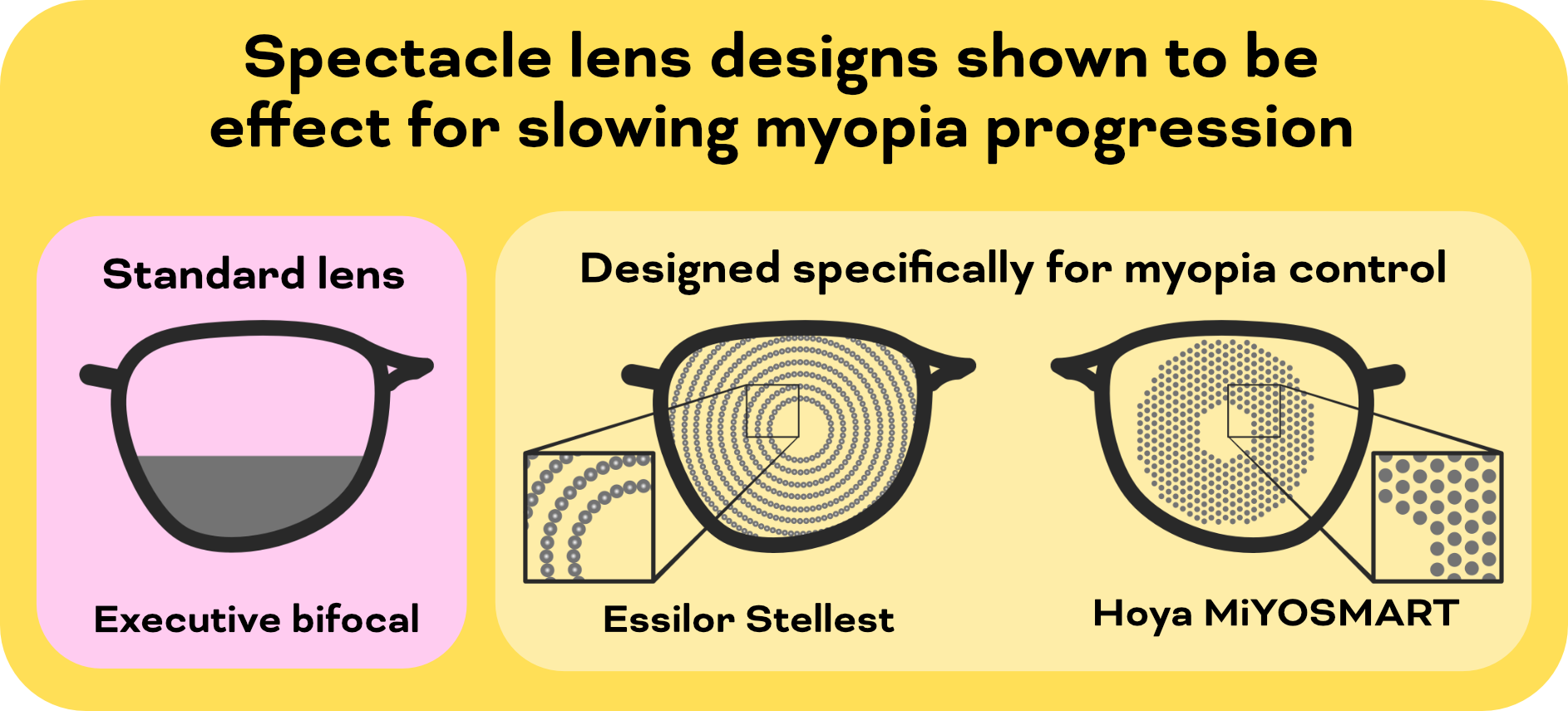
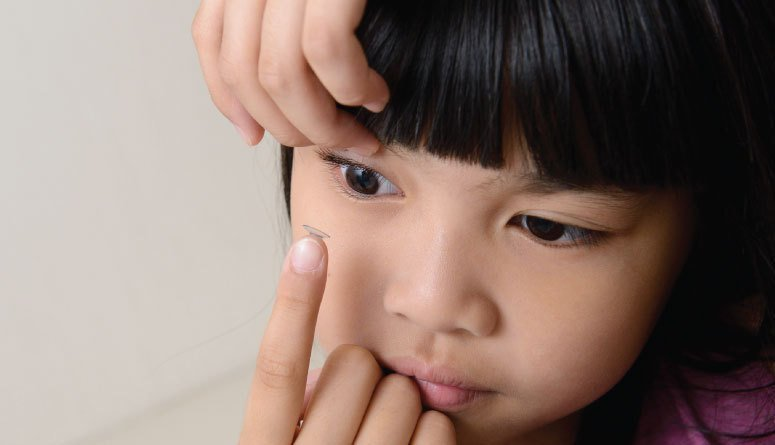
- Myopia control lenses. Special glasses or contacts that help slow the eye’s lengthening by gently guiding how light falls on the retina.
- Orthokeratology (Ortho-K). Gentle lenses worn overnight that reshape the cornea, giving clear vision during the day.
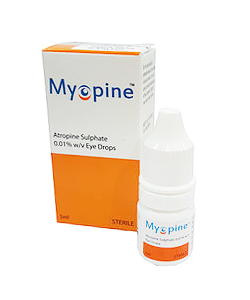
- Atropine eye drops. Low-dose drops that have shown real promise in slowing progression in children.
- Outdoor time. Something beautifully simple. More time outside has been shown to protect young eyes. We may not fully understand why, but the effect is real — and it’s a gift.
A little encouragement
Myopia is common. But it doesn’t have to quietly limit a life. With early eye exams, gentle awareness, and the right care, we can protect not just sight, but the joy of seeing every beautiful detail.
If you’ve noticed changes — in yourself or someone you love — come see us. Together, we’ll take the next small step toward clearer tomorrows.
Let me know if you’d like a shorter version or one tailored for parents, schools, or social media.